
At DC Paving and Sealcoating, we have spent over 20 years working alongside homeowners and business owners across East Texas to protect and extend the life of their asphalt surfaces. As a locally owned and operated company based in Murchison, Texas, we understand this region’s climate the way only a neighbor can. We know what East Texas winters do to pavement, and we know exactly what it takes to get asphalt back in fighting shape before summer heat pushes deterioration into overdrive. From residential driveways in Tyler to commercial parking lots in Longview and Marshall, our team brings the experience, the equipment, and the honest straightforward service that East Texas property owners have trusted for two decades. If your asphalt survived winter and you are wondering whether it needs attention, the answer is almost always yes, and spring is the perfect time to find out.
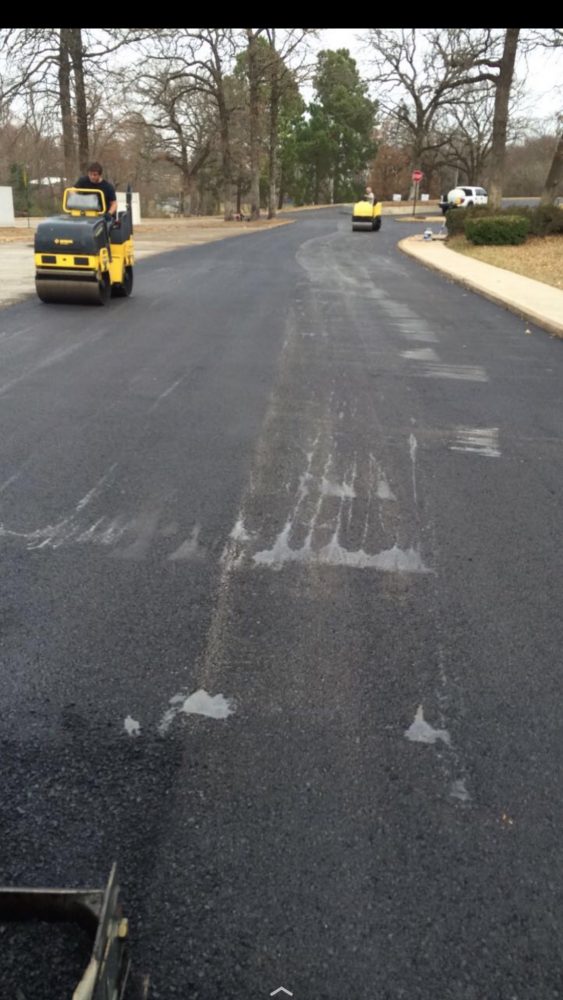
What East Texas Winter Does to Your Asphalt
East Texas does not experience the brutal freeze-thaw cycles of northern states, but our winters are more damaging to asphalt than most property owners realize. When temperatures dip below freezing, any water that has seeped into existing cracks or porous asphalt expands as it freezes, widening those cracks from the inside out. When temperatures rise again, the water contracts, leaving behind a slightly larger gap than before. Repeat that cycle a dozen times over a single winter, and what started as a hairline crack in October can be a noticeable fracture by March.
Add in the region’s clay-heavy soils, which shift and swell with moisture, and you have a recipe for pavement stress that shows up clearly once spring arrives. Potholes, edge cracking, alligator cracking, and surface oxidation that looks gray and faded rather than deep black are all common signs that winter took a toll. The good news is that spring is the exact right time to address every one of these issues before East Texas summer heat compounds the damage.
Why Spring Is the Optimal Window for Sealcoating and Repairs
Timing matters enormously with asphalt maintenance, and spring checks every box that professionals look for before scheduling work.
Temperature Conditions Are Just Right
Sealcoating requires sustained temperatures above 50 degrees Fahrenheit, both during application and for the 24 to 48 hours of curing that follow. East Texas spring days, typically in the 65 to 85 degree range, are ideal. The surface is warm enough for the sealcoat to bond and cure properly, but not so hot that it dries too fast and cures unevenly. Midsummer temperatures in Tyler and Longview regularly exceed 95 to 100 degrees, which can cause problems with application and adhesion. Spring is the sweet spot.
Crack Repairs Seal More Effectively
Crack filler and hot-pour rubberized sealant penetrate and bond best when asphalt is neither frozen nor superheated. Spring temperatures allow our crews to clean out cracks thoroughly and apply filler that fully seats into the void rather than sitting on the surface. Repairs done in spring hold through summer heat and into the following winter far more reliably than those rushed into the hottest months.
You Get Ahead of the Damage Curve
East Texas summers are punishing. Temperatures that regularly exceed 100 degrees cause asphalt to soften and oxidize rapidly, accelerating the breakdown of the binding agents that hold the surface together. Sealcoating applied in spring acts as a protective shield going into that punishment. A properly sealcoated surface reflects more UV radiation, resists fuel and oil penetration, and sheds water during the intense thunderstorms that roll through the Piney Woods region from May through September. Waiting until summer to address damaged asphalt means letting three to four additional months of UV exposure, traffic wear, and heat damage do their work unchecked.
DC Paving’s Spring Service Offerings
Our spring maintenance services are designed to address every stage of asphalt condition, from light preventive care to more significant repairs.
Sealcoating
Our professional sealcoating service starts with a thorough surface cleaning to remove all debris, oil spots, and loose material. For surfaces with existing cracks, we assess and make repair recommendations before any sealcoat is applied. We select the application method, spray or squeegee, based on your specific surface, surrounding structures, and site access. The result is a rich, dark, uniform protective coating that extends pavement life significantly and gives your driveway or parking lot a freshly paved appearance.
Crack Repair and Filling
Cracks that are addressed in spring, before they widen further under summer stress, are far less expensive to repair than the potholes and structural failures they become if left alone. Our crack repair process cleans out the void, removes vegetation and debris, and applies professional-grade filler that flexes with East Texas temperature swings rather than cracking again under thermal movement.
Full-Depth Patching and Pothole Repair
For areas where winter damage has progressed to full structural failure, our patching services remove and replace the compromised asphalt down to the sub-base. Addressing these areas in spring means your surface is solid and smooth heading into heavy summer traffic.
Parking Lot Striping
Once sealcoating is complete, spring is also the ideal time to refresh faded lot striping for commercial clients in Tyler, Longview, Jacksonville, and the surrounding communities. Fresh lines on a newly sealed surface make an immediate and lasting impression.
Practical Tips for East Texas Property Owners This Spring
Before you call for a quote, a few steps on your end will help the process go smoothly:
- Walk your driveway or parking lot after the last frost and note any new cracking, heaving, or areas where water pools after rain. Water pooling indicates drainage problems that need to be addressed alongside surface repairs.
- Check the edges of your asphalt. Edge cracking is one of the first signs that the pavement is losing structural support and needs prompt attention.
- Do not seal over oil stains without treating them first. Oil degrades sealcoat adhesion. Our crew will treat stains prior to application, but flagging them in advance helps our assessment.
- Plan your timeline. Sealcoated surfaces need 24 to 48 hours of cure time with no vehicle traffic. Spring scheduling gives you the flexibility to plan around that window without the urgency of summer heat pressing in.
Ready to Protect Your Pavement This Spring?
Do not let winter damage sit untreated through another East Texas summer. DC Paving and Sealcoating is ready to assess your asphalt, recommend the right services, and get your driveway or parking lot back in peak condition before the heat arrives. We serve Tyler, Longview, Marshall, Jacksonville, Carthage, and communities throughout East Texas.
Contact us today for your free estimate and let’s get your spring maintenance scheduled before our calendar fills up.